

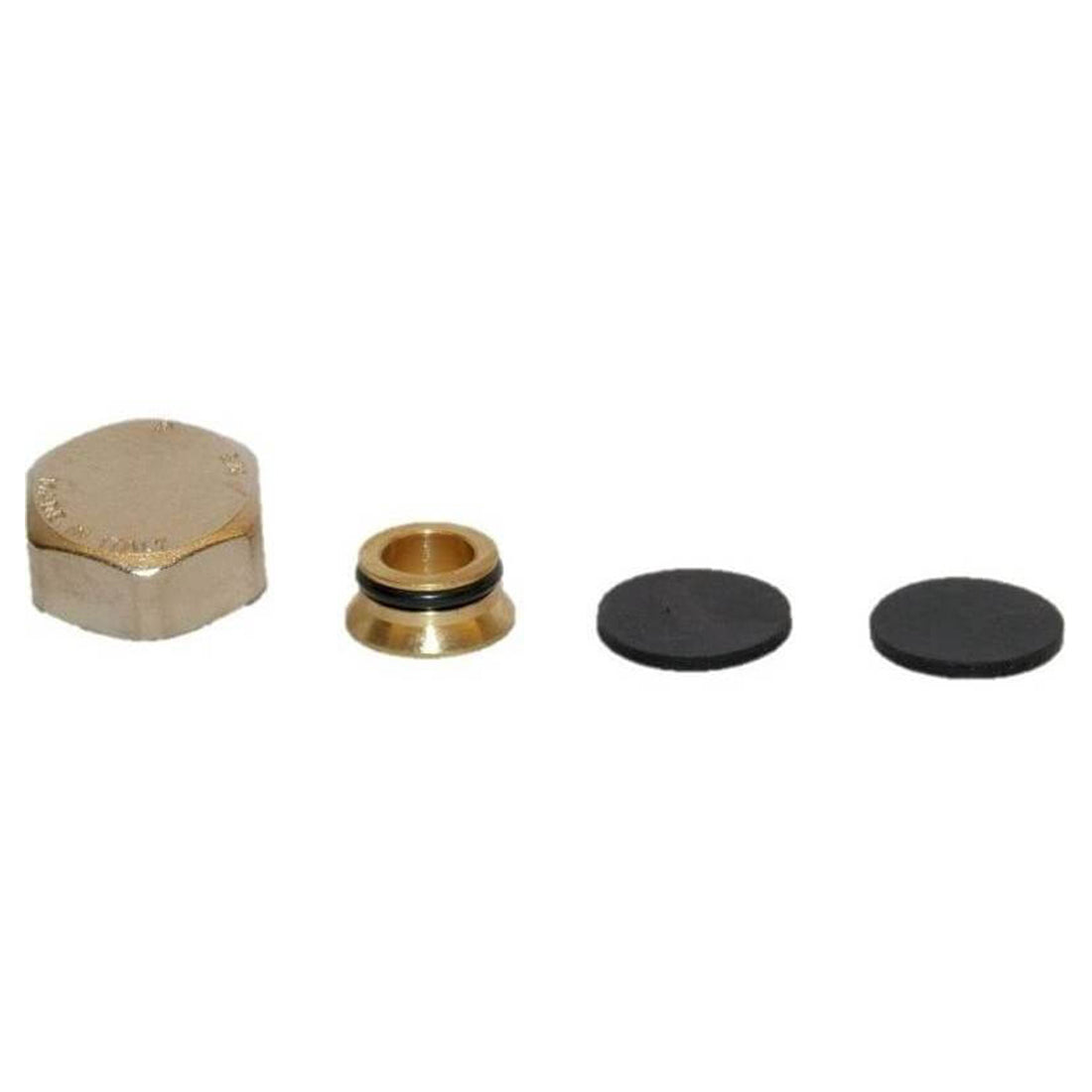
EuroK Manifold Blanking Cap with rubber gasket
EuroK Manifold Blanking Cap with rubber gasket
SKU : CBF0041
Overview
The Eurok Manifold Blanking Cap with rubber gasket is designed to securely close off unused ports on EuroK manifolds, ensuring a leak-free seal and preventing dust and debris from entering the system. Ideal for use in both new installations and maintenance, it offers an efficient and reliable solution.
£4.30 GBP
Excl. VAT: £3.58 GBP
In Stock
Couldn't load pickup availability
 For warranty information, please refer to the manufacturer’s warranty policy or contact them directly.


Description
EuroK Manifold Blanking Cap with Rubber Gasket
Product Part Number:
Eurok Manifold Blanking Cap – CBF0041
The Eurok Manifold Blanking Cap with rubber gasket is designed to securely close off unused ports on EuroK manifolds, ensuring a leak-free seal and preventing dust and debris from entering the system. Ideal for use in both new installations and maintenance, it offers an efficient and reliable solution.
Key Features:
Rubber Gasket Included – Ensures a secure, leak-proof seal.
Durable Construction – Built for long-lasting use.
Easy Installation – Simple to fit, providing a quick solution for manifold port closure.
Compatibility – Works with EuroK manifolds for a secure and effective seal.
Frequently Asked Questions
-
What’s the difference between multi-layer and PEX underfloor heating pipe?
-
How much underfloor heating pipe do I need for my floor area?
-
What underfloor heating pipe spacing should I use?