

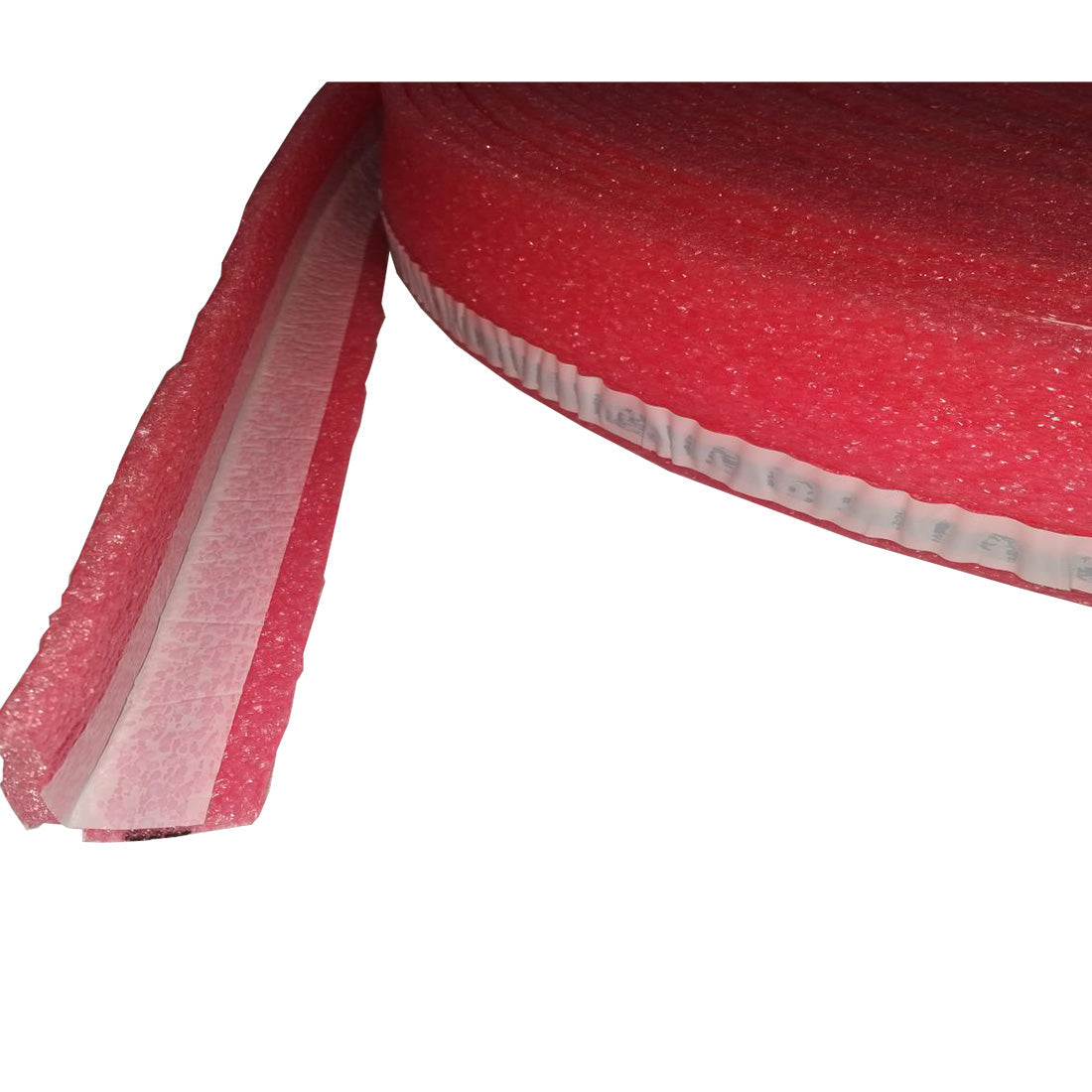
Roll of Perimeter Edging Strip 80x50mm
Roll of Perimeter Edging Strip 80x50mm
SKU : PRO1167
Overview
This Perimeter Edging Strip is designed for use with underfloor heating systems, offering reliable edge insulation to improve heat efficiency. The 50-meter roll provides ample length for extensive installations, ensuring superior thermal performance.
£40.79 GBP
Excl. VAT: £33.99 GBP
In Stock
Couldn't load pickup availability
 For warranty information, please refer to the manufacturer’s warranty policy or contact them directly.


Description
Perimeter Edging Strip 80mm x 50m Roll
Part Number: PRO1167
This Perimeter Edging Strip is designed for use with underfloor heating systems, offering reliable edge insulation to improve heat efficiency. The 50-meter roll provides ample length for extensive installations, ensuring superior thermal performance.
Key Features:
50 Meter Roll – Ideal for larger projects or multiple installations.
Dimensions – 80mm width and 5mm thickness, perfect for perimeter insulation.
Energy Efficient – Reduces heat loss around the perimeter of the system.
Durable Construction – Designed for long-lasting performance and easy handling during installation.
Frequently Asked Questions
-
What’s the difference between multi-layer and PEX underfloor heating pipe?
-
How much underfloor heating pipe do I need for my floor area?
-
What underfloor heating pipe spacing should I use?